
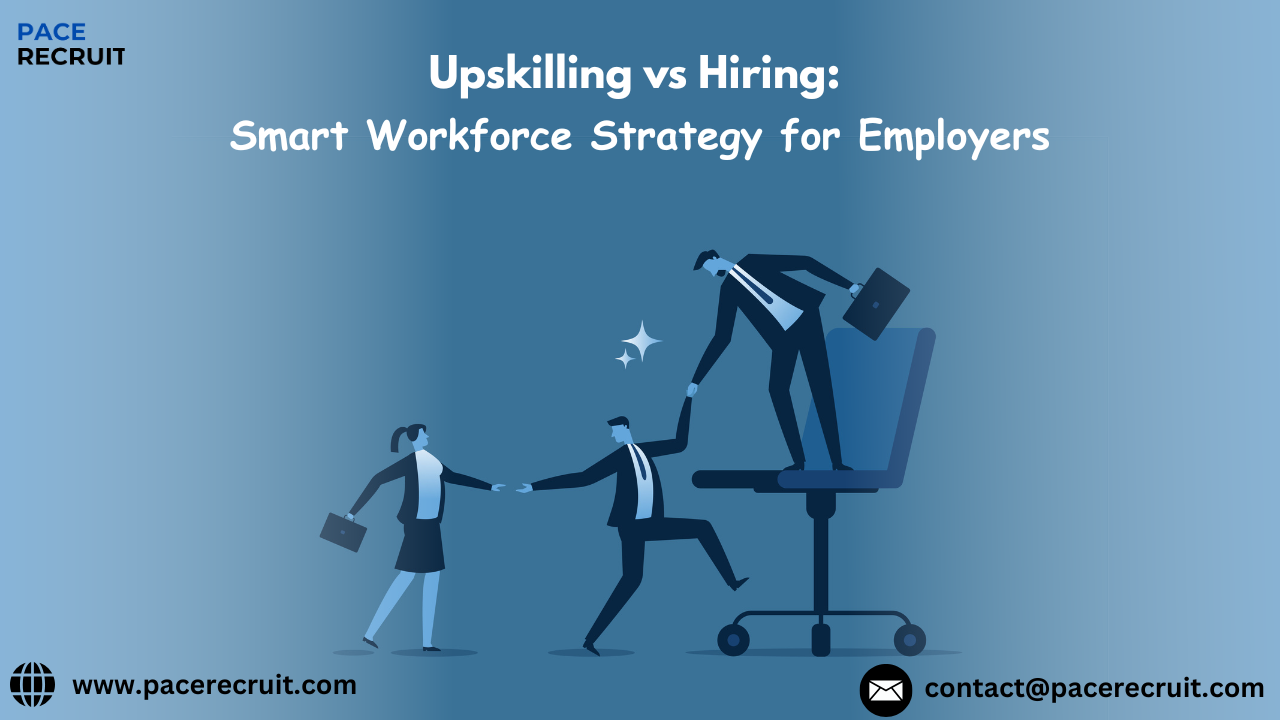
The job market is changing fast. Things like going digital, AI, working from home, and what workers want have companies rethinking how to find and keep good people. One of the biggest questions for bosses is whether to train the people they already have or hire new folks with the skills they need.
Table of Contents
This isn’t just about money or time. It really impacts if a business keeps running smoothly, comes up with fresh ideas, keeps its workers happy, and stays competitive for years to come. Employees are part of this too. These choices affect their careers, if they feel secure in their jobs, what they can learn, and how much they can earn.
This blog will look at training versus hiring, what companies should pick based on different things, and how workers can gain from both ways in today’s job scene.
Understanding Training vs. Hiring
Before we compare, let’s make sure we know what training and hiring mean for companies. Training is teaching workers new skills or improving the ones they have so they can keep up with their jobs. This could be learning tech stuff, becoming a better leader, getting better with computers, or learning about different parts of the business.
Hiring means bringing in people from outside who already have the skills, background, and know-how you need. Hiring can fill skill gaps fast, but it can also cost more, take time to get new people settled in, and require them to fit into the company culture.
These days, companies don’t just pick one or the other. The trick is to know when to train and when to hire, and how to do both well.
Why Training vs. Hiring Matters More Than Ever Now
This has become a big deal because of changes that are happening in jobs. Tech is changing so fast that skills can become outdated in just a few years. Also, new jobs are popping up faster than schools can teach people how to do them.
Plus, it’s hard to find people with skills in areas like AI, data, security, health, and making advanced products, which makes hiring tough and pricey. At the same time, workers want to grow in their careers, learn new things, and work for bosses who care about helping them grow.
For bosses, this choice impacts how productive they are, how many new ideas they have, and how stable their workforce is. For workers, it decides if they stay up-to-date, can find work, and feel motivated. That’s why training versus hiring is a really important decision, not just something HR does.
When Training Makes More Sense for Bosses
Training is often the best choice when companies want to grow steadily while keeping the knowledge they already have. It lets businesses use the talent they have while still changing to meet new needs.
One of the best things about training is that it keeps workers around. When companies invest in helping people learn and grow, those people feel valued and are more likely to stay. This lowers the number of people who leave, cuts down on hiring costs, and makes the company culture stronger.
Training works really well when the skills you need are close to what people already know. For example, teaching a marketing person about data or giving a customer service person computer skills is often faster and cheaper than hiring someone new.
Also, training makes sure people fit in with the company culture. Workers who are already there know the company’s values, how things work, and what’s expected. This gets rid of the risk of new hires not fitting in.
The Long-Term Money Benefits of Training vs. Hiring
Hiring might seem quick, but it can come with costs that you don’t see at first, which can make training more affordable in the long run. Things like paying recruiters, getting new people on board, and the time it takes for them to become fully productive can really add up.
Training, on the other hand, spreads the costs out over time and has benefits that build up. Trained workers can use their new skills on different projects, teach others, and handle changes more easily in the future.
Looking at the big picture, companies that focus on training are better at dealing with sudden changes. They create a culture of learning that encourages being quick on your feet, coming up with new ideas, and always getting better – which are key to doing well in the long run in a changing market.
When Hiring New People Is Better Than Training
Even though training is great, there are times when hiring is the better way to go. If companies need skills right away that they can’t get through training quickly, then they need to hire.
For example, if you’re launching a new tech thing or going into a very specific market, you might need skills that no one inside the company has. In these cases, hiring people who know what they’re doing makes things happen faster and lowers the chance of making mistakes.
Hiring also helps when companies need new ideas. People from outside bring different experiences, new ways of thinking, and knowledge of how other companies do things. This can be really helpful for leaders or when you’re trying to change things up.
When it comes to training versus hiring, hiring is often the right choice for very specific jobs, high-level positions, or when you need to get things done quickly.
How Bosses Can Decide Between Training and Hiring
To pick between training and hiring, you need to look at the facts and think ahead. Bosses should start by figuring out what skills they have now and what skills they’ll need in the future.
If you only need the skills for a short time or they’re very specific, hiring might be best. But if you’ll need the skills for a long time and they fit with your business goals, training is a better bet.
Another thing to think about is if your workers are ready and willing to learn new things. Not everyone is a good fit for training, and forcing it on people who don’t want it can cause problems.
The best plan is often to do both – train your main workforce while also hiring for important or new jobs.
How Workers Gain from Training
From a worker’s view, training can really help their career. It makes their job more secure because they can change with new roles and tech. Workers who are always learning are less likely to be replaced by machines or have their jobs cut.
Training also makes it easier to move up in the company. Workers can switch to new roles, become leaders, or move to parts of the company that are in high demand without having to leave.
Money is another big plus. Skilled workers get paid more, have better benefits, and have more power to ask for raises. When you compare training versus hiring, workers who learn new skills often do better than new hires because they know the company and have new skills too.
How Workers Can Still Benefit When Companies Choose to Hire
Even if hiring seems bad for current workers, it can still create chances to grow. New hires often bring special knowledge that they can share by working together, teaching others, and doing projects with different teams.
Workers who try to learn from new coworkers can add to their own skills. Also, hiring can take some of the pressure off by filling gaps, which lets workers focus on important tasks that add value.
In companies that do both training and hiring well, workers get to see different skills, use new tools, and think in new ways, which helps them grow in their careers.
How Tech Affects Training and Hiring
Tech is a big part of how companies decide between training and hiring. Learning systems, AI training, and custom learning plans have made training easier to get and measure.
At the same time, hiring tech has made it easier to find people through AI screening, skill tests, and predictions. These tools help bosses find the right people faster while being fair and hiring good people.
Companies that use tech well can make the most of both training and hiring, making sure their choices match their business goals and the skills of their workforce.
Building a Workforce Ready for the Future
The most successful companies know that training versus hiring isn’t a one-or-the-other thing. Instead, they do both – they keep training their people while also hiring for special skills when needed.
By helping their workers grow and also bringing in specialized talent, companies create a workforce that can handle anything. This helps them come up with new ideas, rely less on hiring from outside, and keep their workers happy.
For workers, this balance creates a culture of growth, learning, and chances to move up – which are key to being happy and successful in their careers.
How PACE Recruit Helps
We get that every company has different challenges when it comes to finding talent. We help bosses figure out the best way to handle training versus hiring.
We work with companies to figure out what they need, find skill gaps, and create plans for hiring and training. Whether you need to hire people with special skills or train your current workers, we can help.
For job seekers, we make sure they have access to jobs that match their skills and career goals. By bringing together what employers need and what workers can offer, we help create good outcomes for everyone in today’s job market.
FAQs on Upskilling vs Hiring:
1. What is the main difference between upskilling vs hiring?
Upskilling focuses on training existing employees to develop new skills, while hiring involves bringing in external candidates who already possess the required expertise.
2. Is upskilling more cost-effective than hiring?
In the long term, upskilling is often more cost-effective as it reduces recruitment costs, improves retention, and maximizes existing talent.
3. When should employers choose hiring over upskilling?
Hiring is ideal when skills are highly specialized, urgently needed, or unavailable within the current workforce.
4. How can employees prepare for an upskilling-focused workplace?
Employees should adopt a continuous learning mindset, stay updated with industry trends, and proactively seek training opportunities.
5. Can companies successfully combine upskilling and hiring?
Yes, a balanced approach that integrates both strategies is often the most effective way to build a future-ready workforce.