
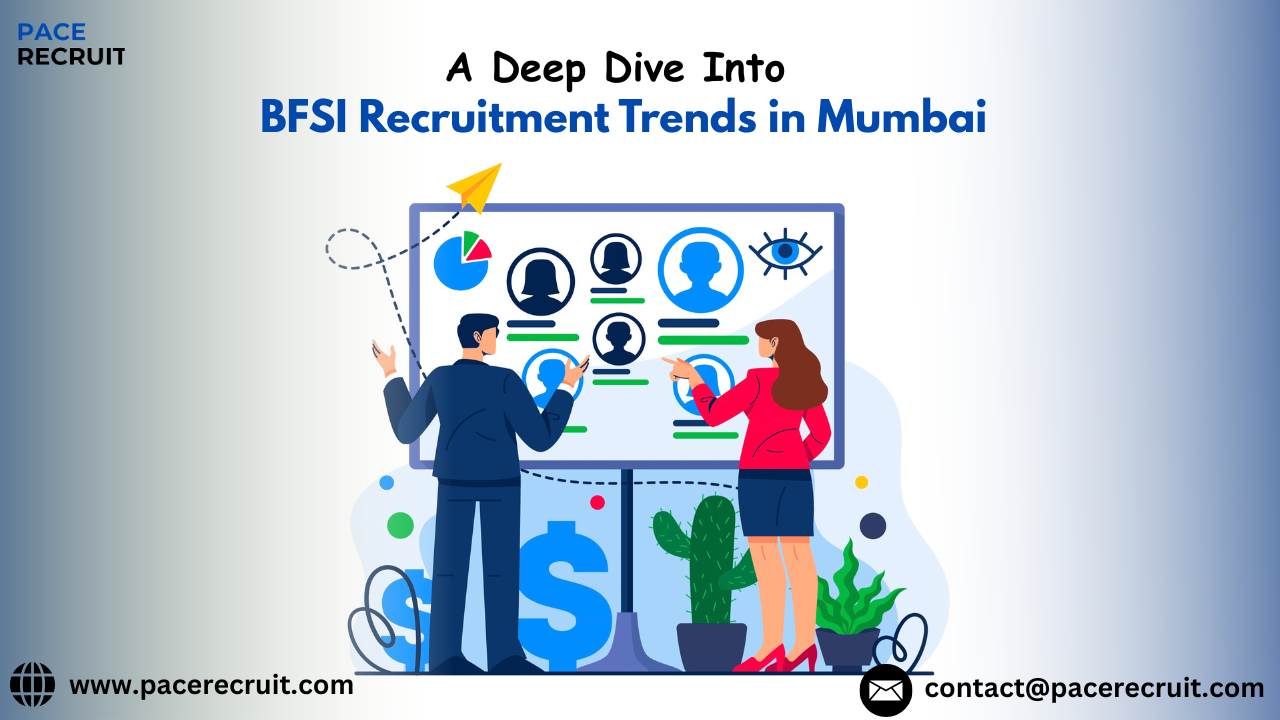
Mumbai, India’s financial capital has been and will continue to be one of the most significant centres for banking, financial services and insurance (BFSI). The city’s BFSI employment environment is constantly changing and ranges from conventional banks and insurance companies to emerging players like digital lenders, fintech companies, wealth managers and financial technology providers. Companies are shifting the way they source, assess, and select talent as technologies, customer expectations, regulations, and business models evolve.
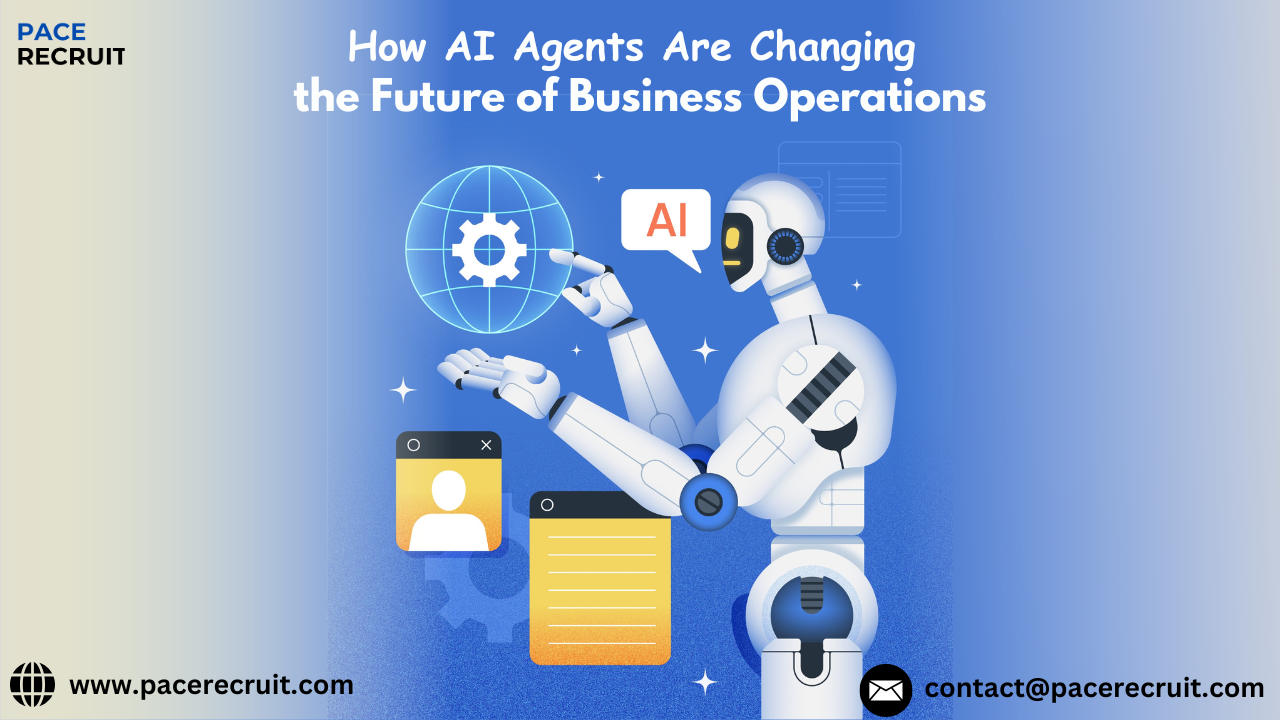
How AI Agents Are Changing the Future of Business Operations
Artificial intelligence technology is no longer new and cutting-edge; it has now become a significant aspect of contemporary business strategies. Organizations from diverse sectors are integrating AI into their operations by automating mundane tasks, analyzing vast data sets, boosting client interactions, and accelerating employees’ decision-making process. The subsequent phase of this revolution is being steered by AI agents, autonomous intelligent agents possessing capabilities to perceive objectives, interpret data, make decisions, leverage digital tools, and carry out tasks with minimal human oversight. AI agents are not just reactive to a question or followate machine automation sequence; they are capable of executing multiple steps to reach a predetermined business goal.
The 15 Skills You Need To Succeed in 2026
Introduction: Why Tech Skills Matter More Than Ever in 2026
Workplaces are changing at an unprecedented rate. The constant that remains is technology. No matter what industry you find yourself in or whatever world we sit in, businesses are always striving to reach new heights of efficiency.
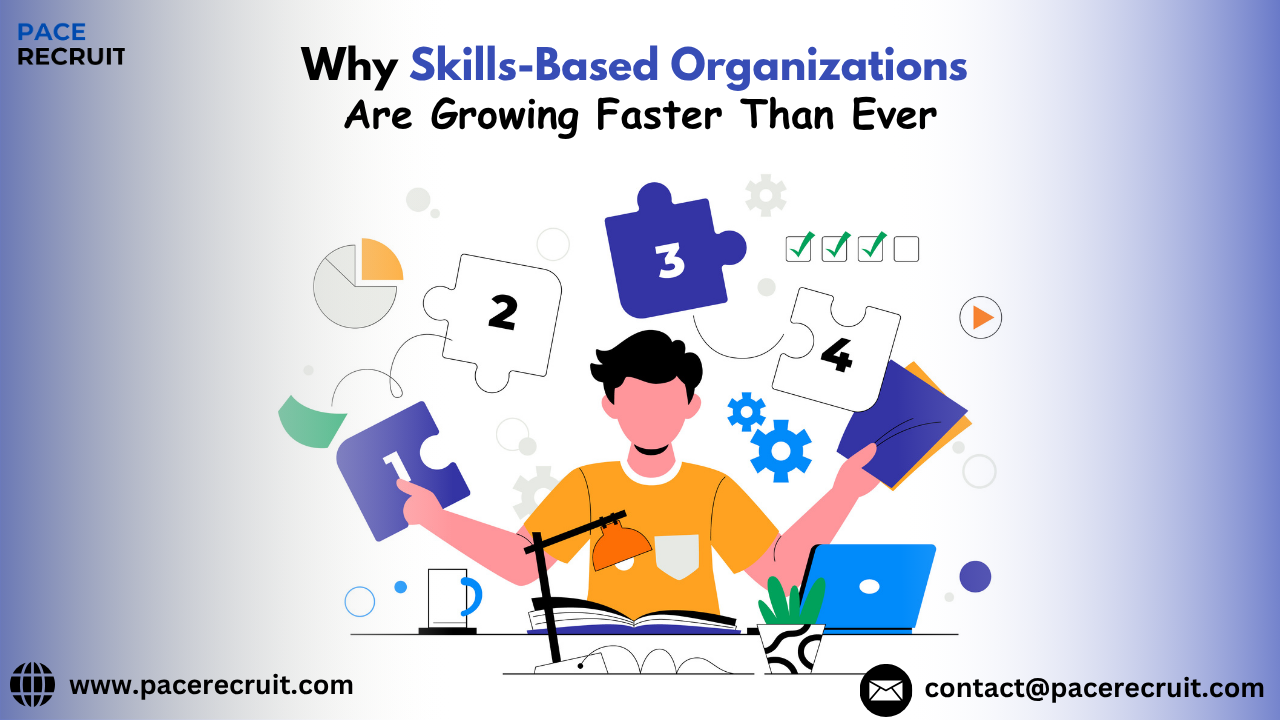
Why Skills-Based Organizations Are Growing Faster Than Ever
The way firms approach hiring has historically focused on degrees, job titles, accumulated years of experience, and traditional career progression. Yet the world of work is evolving quickly. Organizations are learning that an applicant’s ability to perform might be more important than their past job title or past educational institution.
Top AI Skills Every Professional Needs in 2026
Artificial Intelligence (AI) is not a thing of the future anymore; it is not just the domain of software engineers or data scientists. In 2026, it is very much part of the modern workplace and is changing how businesses run, how employees carry out day-to-day tasks and how customers engage with companies. From health care and financial services, marketing and education to retail, manufacturing and staffing; AI is driving efficiency, automating mundane work and enabling better data-driven decisions for better business outcomes. As companies increase their digital transformation investment, the skills professionals bring to the table are becoming more important than ever before.
Why Employee Retention Is Becoming More Important Than Hiring
A new trend is emerging where companies are beginning to focus more on employee retention than on recruiting new staff. Hiring is Yes an important part in the business development process, it is the employees who can bring change, innovation and stability that the organization needs that make all the difference.
Why Bengaluru, Hyderabad, and Pune Lead India’s Tech Hiring Market
Introduction:
India is Definitely one of the world’s fastest growing technology hubs globally and it ceases to draw attention from multinational companies, start-ups and investors. Businesses are heavily dependent on technology to redesign their operations and the digital transformation journey seems to have no end. Due to this fact, a huge number of skilled professionals are being sought to meet the needs of these companies. Companies are not only focusing on a few aspects of technology but also fields like artificial intelligence, cloud computing cybersecurity software development, and data analytics are gaining more and more importance as well. They are all vying for the top talent that is available.
How Data-Driven Hiring Is Changing Recruitment Strategies
Introduction: Why Recruitment Is Becoming More Data-Centric Than Ever Before
Data-driven hiring is a powerful recruitment tool that has transformed the industry dramatically. In the past, traditional recruiting methods mostly depended on gut feelings, manually sifting through resumes, personal discernment, and following old hiring patterns. These methods, to some extent, were successful in the past. But, current organizations require a faster, more intelligent, and accurate way of hiring to keep up with the highly competitive markets.
Why Bengaluru Is the Best City for IT Professionals
The ever-increasing magnet of tech talent
Long gone from being a quiet, green city, Bengaluru is today the technology capital of India without a rival. The city is even stronger in 2026, attracting IT professionals not only from all over the country but also from different parts of the world. Although other cities have made remarkable advancements in developing their tech ecosystems, Bengaluru is still holding its throne through a rare combination of opportunities innovation good infrastructure, and lifestyle benefits.
Why Chennai Is Emerging as a Major IT and SaaS Hub in 2026
How Chennai Is Quietly Transforming Into One of India’s Strongest Technology Ecosystems in 2026
Why Chennai Is Quietly Becoming One of India’s Most Powerful Tech Ecosystems In 2026 Over time, Chennai has visibly changed, though initially, the majority of the industry insiders even missed this changing aspect of the city. While Chennai is mainly regarded as the city of automobiles and manufacturing, the city’s mindset has already changed to a dominant IT and SaaS hub. 2026 it is no longer the time for the city’s transformation to be a secret; it is clear from the growing list of world-class tech companies, flourishing startups, and significant investments that are entering the region.