
Over the last few years, the workplace has changed drastically and 2026 is one of the major years when we see companies changing the way they choose people. Academic achievements and work experience still matter but what employers want most these days are real skills which can bring results. Instead of just looking for those with great CVs, organizations want those who can come up with solutions, learn new methods, work well with others and participate in coming up with new ideas.
Top Digital Marketing Job Roles in India That Employers Are Most Interested In
With companies increasingly relying on digital avenues, recruiters in India are on the lookout for talented individuals who can help businesses build a powerful online image and achieve tangible results. Digital marketing is not just a mere support function anymore; it has become a strategic element that has a direct impact on revenue generation, customer acquisition, and brand enhancement.
How AI Is Transforming Recruitment and Talent Acquisition
Introduction: The New Era of AI-Powered Hiring
AI is not just an innovative, sci-fi type technology anymore. Its here and it’s transforming the way business is conducted across the globe. Changing everything from the way we shop to the way we work, AI is transforming our working worldincluding how we do recruitment.
Best Hiring Strategies Companies Are Using to Attract Top Talent
Introduction:
In this hyper competitive business environment, one of the biggest concerns that companies face in all sectors is to attract best talented employees. Companies are hiring not only customers-product and services Yet they are also fighting for professionals, which can be a driver for its productivity, innovation and sustainable growth. Recruitment has seen a change in the past few years because of the digital transformation and information access, the proliferation of remote working practices, modifications to the employee value proposition and increased demand for specific skill sets. It is, This way, an intelligent long term company approach to recruit the needed talents.
Why Companies Are Expanding Their Workforce in Chennai
Introduction: Chennai’s Growing Role in India’s Hiring Landscape
Chennai, in the last few years, has been one of the fastest-growing cities in the country attracting employment opportunities from both local and international companies. Initially, the city was majorly identified with the automotive and manufacturing sectors. Though, it has now quite extensively diversified into various industries including the IT SaaS healthcare, fintech, and logistics sectors.
Pune Hiring Trends 2026: Skills, Demand, and Industry Growth
Introduction: Pune’s Rapid Evolution as a Hiring Hotspot
Pune Hiring Trends: Over the last 10 years, Pune has gradually made its way among India’s top employment hubs. By 2026, the city shedding its image as just an educational hub and a place with a pleasant climate has become a powerhouse for IT manufacturing startups, and global capability centers (GCCs). Besides a strong talent pool, great business envirChallenges in Pune’s Hiring Market investments on the rise are pushing the city to see a substantial increase in hiring across sectors.
How Digital Transformation Is Changing Jobs in Mumbai
Introduction: How Digital Transformation is Changing Mumbai’s Labor Market
Mumbai’s rise as India’s commercial heart has long driven innovation, business expansion, and employment. Now, digital makeover is speeding things up even faster. Banking, finance, media, retail, healthcare, and logistics are all being reshaped by technology. It isn’t just about upgrading tools, it’s a shift in how work happens, new skill demands surfacing, and entire job markets sprouting up. AI, cloud computing, big data, automation, and IoT power this wave.
Top Job Opportunities in Hyderabad You Shouldn’t Miss
Introduction: Why Hyderabad Is a Growing Job Hub in India
Hyderabad has undergone a complete transformation in the last 10 years and currently ranks as one of the best places in India for jobs. The blend of its age-old attraction and ultramodern development made the city a hub for IT pharma finance, and startups. It has premier technology parks such as HITEC City and a government that is very supportive of business expansion. Therefore, Hyderabad is continuously attracting MNCs, entrepreneurs, and top professionals from across the country to the city.
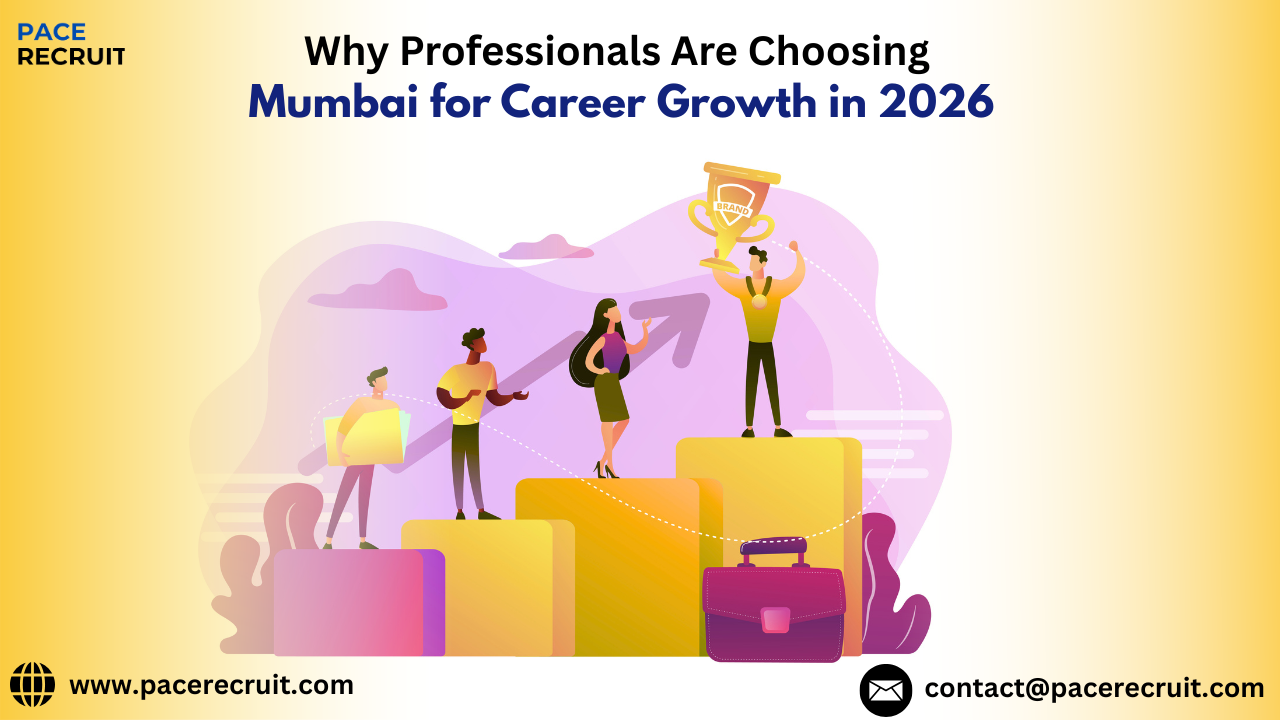
Why Professionals Are Choosing Mumbai for Career Growth in 2026
Introduction: Mumbai’s Rise as the Ultimate Career Destination in 2026
Mumbai for Career Growth: Mumbai’s skyline glows brighter than ever, drawing talent from every corner of india. For now, the city isn’t just about banking, it’s pulsing with tech hubs, media studios, and fast-moving startups that run on global rhythms. What once felt like a single-sector engine has grown into something layered and diverse. From finance towers to co-working spaces, professionals find new paths where skills get tested and rewarded in real time. Multinationals are setting up shop here faster than before.
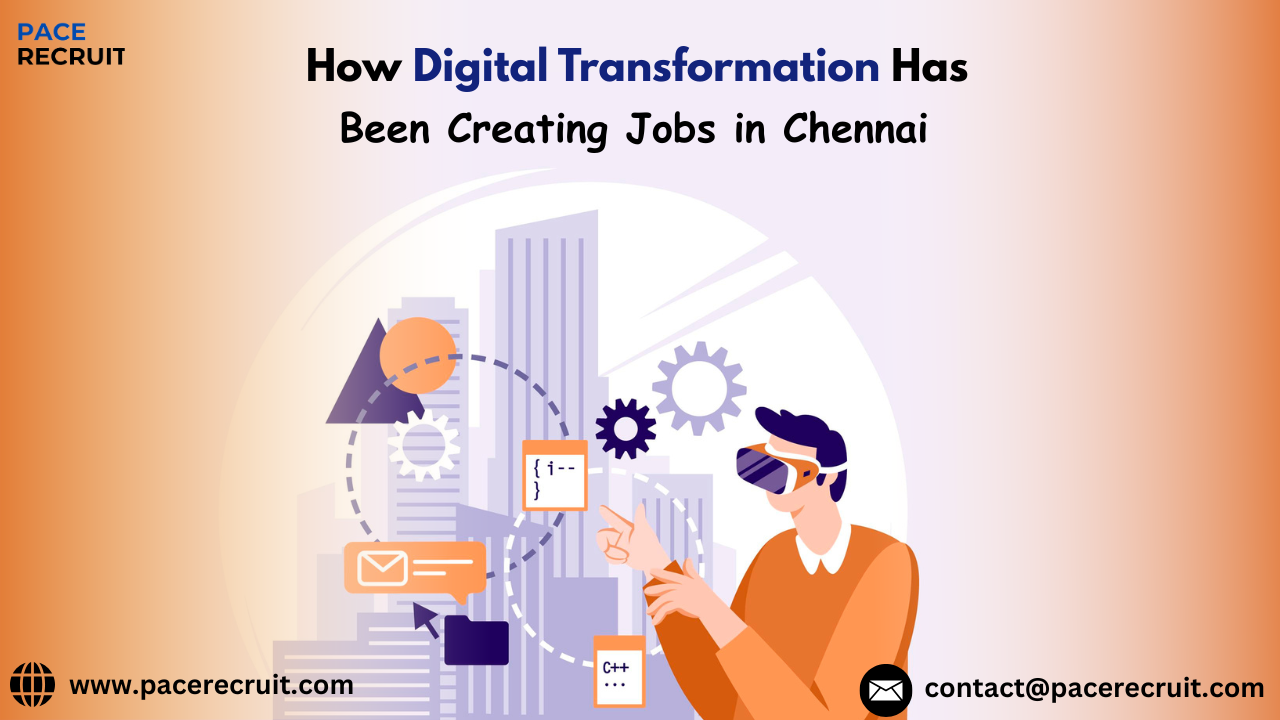
How Digital Transformation Has Been Creating Jobs in Chennai
Introduction: The Rise of a Digital Economy in Chennai
Over a decade, the city of Chennai has gradually changed from a conventional industrial and automotive center to one of the leading digital economies in India. Historically, the city was primarily associated with manufacturing, automotive production, and IT services. However, it is currently experiencing a major digital transformation that is changing not only the employment scenario but also the mode of business operations, method of service delivery, and most importantly, the creation of new jobs.