
Artificial intelligence is set to integrate into Bengaluru’s technology and business market come 2026. As firms in the software fintech healthcare, e-commerce automobile consulting, cybersecurity and enterprise tech space increase respective investment in AI, the industry has seen an increase of demand for specialists who can develop deploy manage and implement AI solutions. The industry is also evolving outside the typical data-science roles. We are seeing a focus on roles like a machine learning engineer, generative AI specialist, AI product specialists, data engineers, MLOps specialists, AI application developers and technology specialists with domain + AI skill combination.
Top Industries Creating New Jobs in Mumbai in 2026
Leading sectors Generating employment in Mumbai in 2026 Mumbai’s ability to provide jobs has not only made the city a financial centre but also a place where the tech ecosystem, startup culture, infrastructure work, healthcare deliveries, media content production, and the rise of highly-skilled professionals are driving the growth of employment. In 2026, the working environment of Mumbai will undergo several changes due to factors like digitization, robotic process automation, the opening of new business ventures, shifts in consumer patterns, and the rising level of demand for professionals whose skillsets cover niche or uncommon subjects.
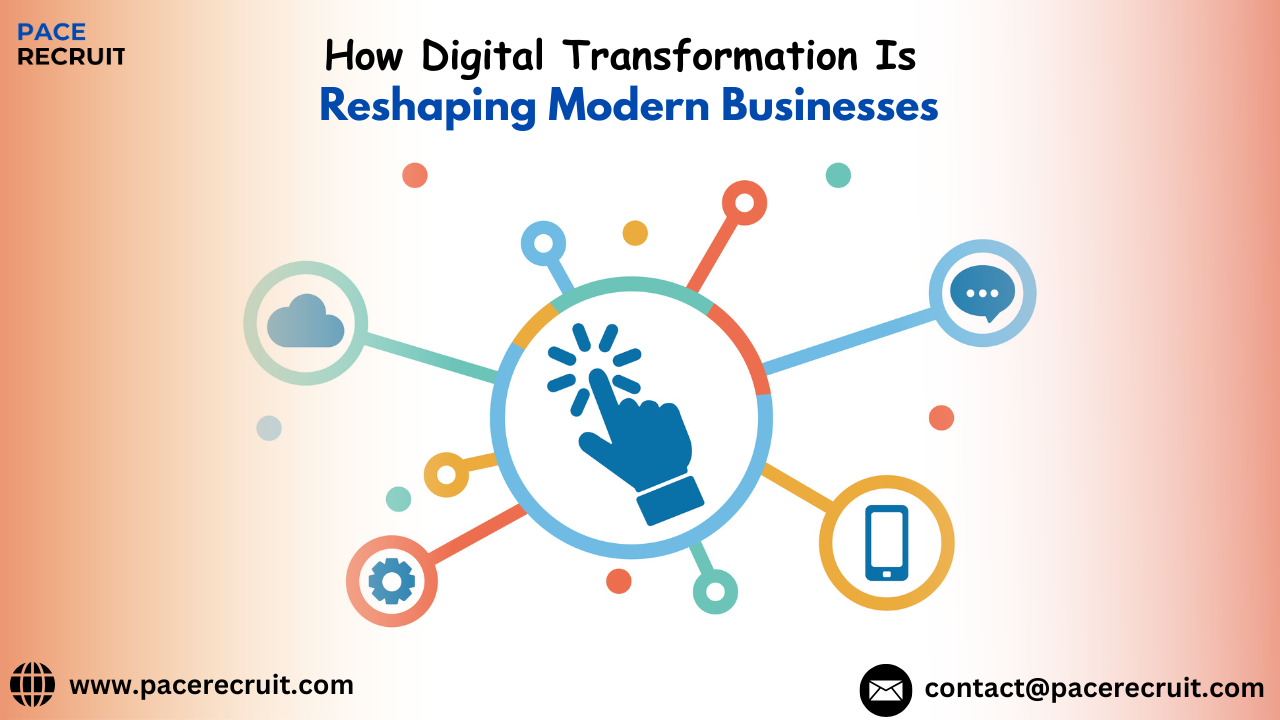
How Digital Transformation Is Reshaping Modern Businesses
Digital transformation has emerged as one of the most significant trends impacting today’s business environment. Many organizations are transitioning from conventional practices towards utilizing digital tools and techniques for enhancing their effectiveness, customer service, decision support, employee productivity, and sustainable expansion. It encompasses integrations of artificial intelligence, cloud offerings automation big data and analytics, and digital collaboration platforms to remain competitive in a digitally connected economy.

How GCC Growth Is Creating New Jobs in Pune in 2026
How the expansion of the Global Capability Centres (GCCs) is resulting in fresh employment in Pune is covered in this piece, 2026. While once known only as a city of industries and education, Pune is now also considered the second best city to host tech & business activities in India. In 2026, GCC boom is for sure one of the most powerful drivers behind this change. It is the case that the major players in IT, financial services engineering healthcare consulting automotive, and others are setting up or enlarging their global operations in Pune. This growth of GCCs in Pune is a major driver for new employment, demand for particular expertise, and company change in talent acquisition strategies.

How to Reduce Time-to-Hire Without Compromising Candidate Quality
We all know hiring is a big part of a company’s success and always has been. But nowadays with the tight labor market, getting a good candidate quickly is just as important as having a quality one. Skilled workers are able to choose from many different jobs at once, and a company should end up with the runner-up if the hiring process gets dragged out. Of course, there’s one thing we shouldn’t be doing in our rush: cutting back the time used to evaluate the candidate’s skills, work experience and personality fit to the company.
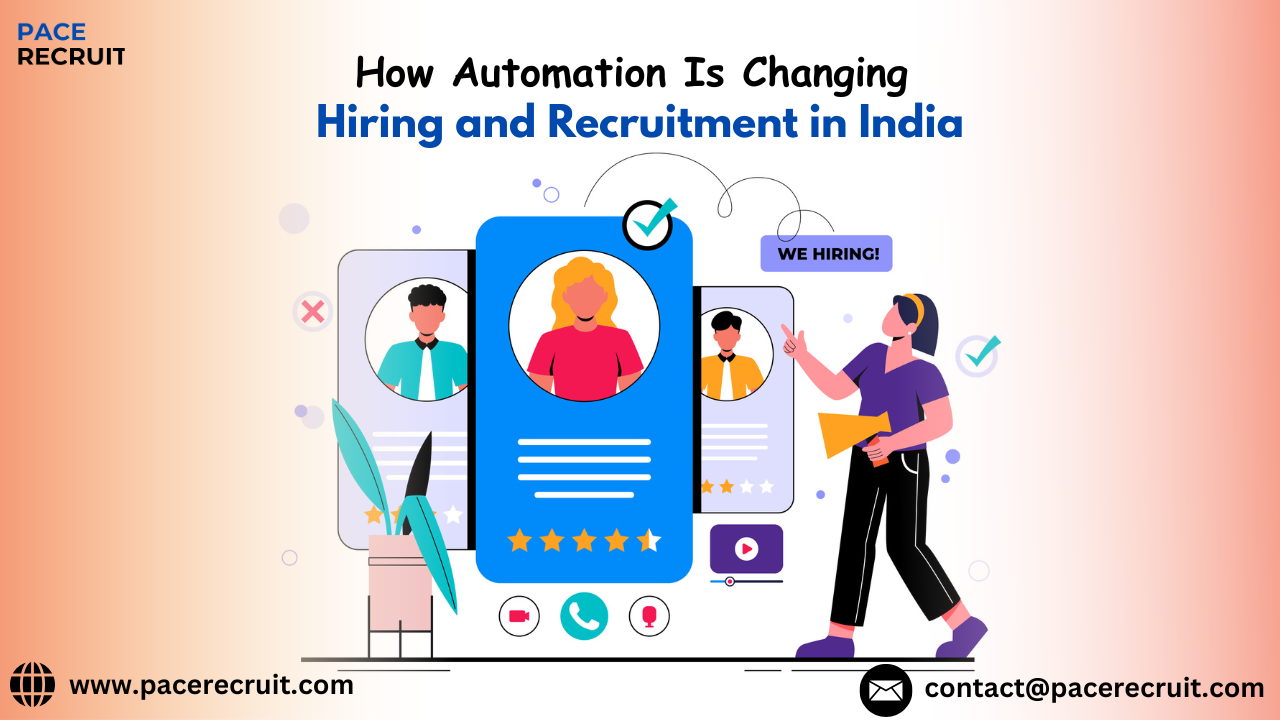
How Automation Is Changing Hiring and Recruitment in India
The Indian hiring landscape is witnessing a major transformation because more and more businesses are turning to automation to make the hiring process less time consuming, less error-prone, and more based on quantitative analysis. Automation is not limited only to resume scanning and candidate sourcing but also covers interview scheduling, communication, and onboarding. With the help of the technology, businesses have figured out new ways of how to scout and hire talents.
Tech Recruitment in Bengaluru: What Companies Are Looking for in 2026
Bengaluru is one step ahead in the race of being the tech hub to reckon within India, yet 2026 witnesses a dramatic transformation in the recruitment scene of the city to the point that not only it becomes more competitive, but also more skill-based and specialized. Hiring a technology professional has not become a mere matter of degree in cs or some previous experience; the employer is mainly searching for people who can be part of the problem-solving team, working on technologies which are yet to be widespread, adapting fast in any situation and being innovative from day one. Artificial intelligence, cloud computing cybersecurity data engineering, automation, and digital transformation fields have been growing rapidly and have started to demand quite a type of talent from Bengaluru companies.
How Generative AI Is Transforming Every Industry
Generative AI is transforming the industries in which it is applied. In just a short time, from being an emerging technology, Generative AI has evolved into one of the most potent factors shaping the present business world. Traditional AI systems which mainly analyze data, classify information or make predictions cannot generate the type of output generated at a faster speed by generative AI.
The Future of Hybrid Work: What Companies Are Learning
Introduction:
The workplace is undergoing the biggest change since the invention of the office. In the last five years we have seen organizations worldwide transform themselves completely from traditional office work to a work from home and a hybrid work model. At first this shift was driven by necessity, but the advantages of hybrid work soon emerged beyond crisis managing alone. Now businesses are not questioning hybrid work anymore. They are only questioning how to make it more effective, productive and sustainable.
Most In-Demand Java Systems for 1-3 Years Experienced Professionals
Introduction:
Java is one of the most trusted programming languages worldwide. It has been around for over 20 years and is the technology behind enterprise software, banking systems, cloud applications, e-commerce platforms, healthcare solutions, and mobile back-end services. The programming language and structures landscape isn’t static; new languages and setups are emerging rapidly. Yet Java still holds its ground as the major language for enterprise application development due to its capabilities of scaling security high performance, and platform independence. In fact, as businesses go on with their digital transformation initiatives, the need for proficient Java developers is constant among not only the startups and mid-sized businesses but also the large corporations and IT service firms.