
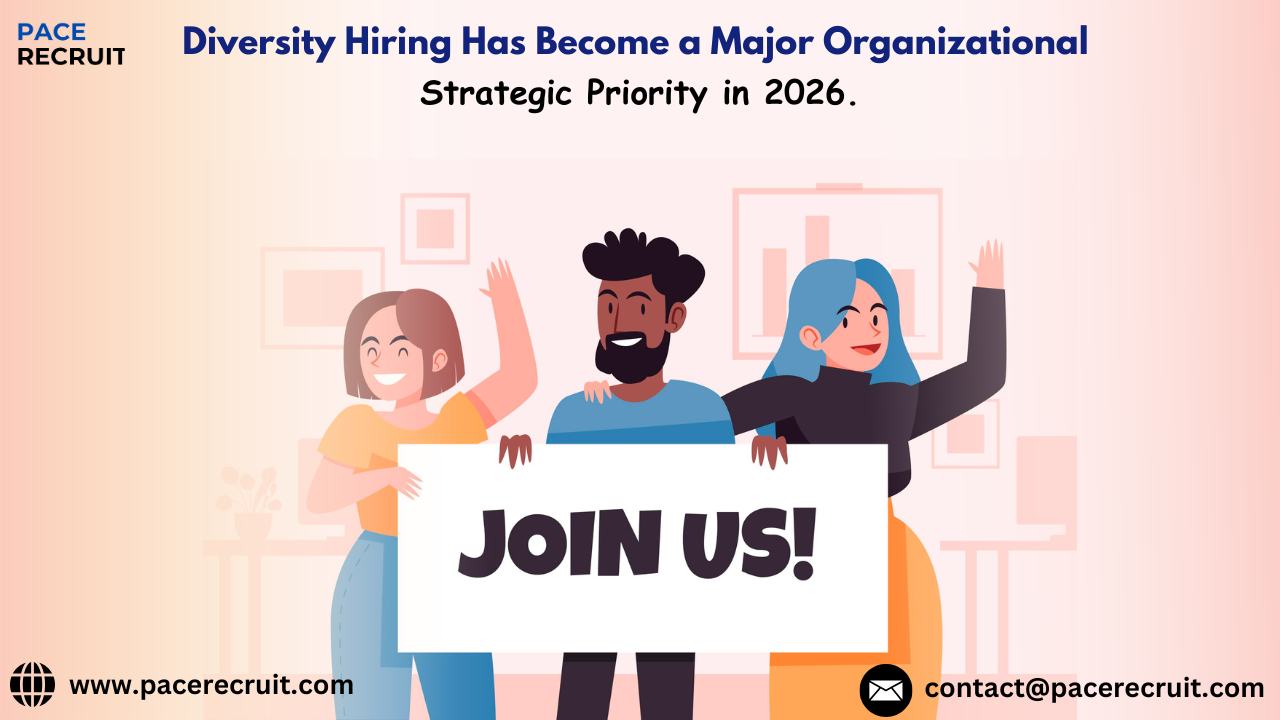
Over the past ten years, many organizations have put into place a variety of diversity policies. However, the newest kind of company is not only complying with the rules but also altering their workforce through diversity initiatives which not only focus on the value addition through authentic hiring. Diversity hiring is no more seen by the employers as a manner of meeting quotas or promoting diversity; instead, they create inclusive teams which result in more creativity, higher productivity, and business growth in the end.
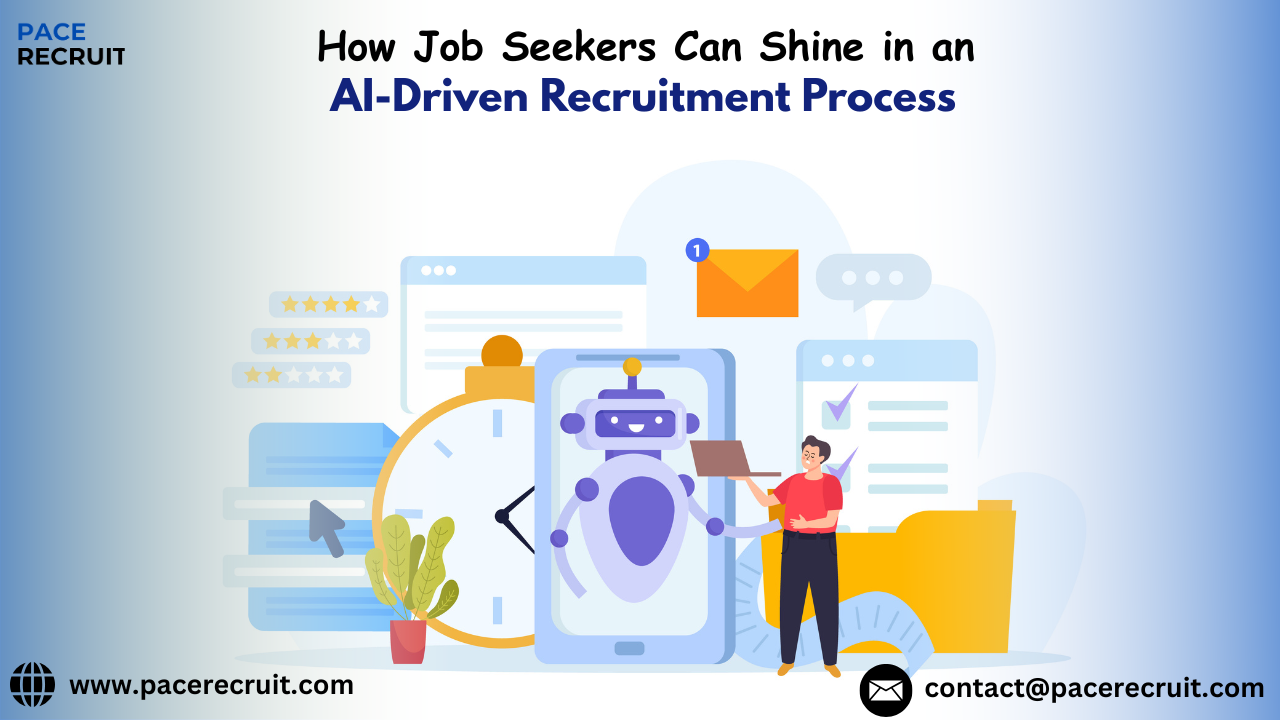
How Job Seekers Can Shine in an AI-Driven Recruitment Process
Today, hiring does not occur simply because of a human recruiter reviewing each candidate’s application manually; instead, there are several forms of technology that determine which candidates are offered jobs and which ones are not in A.I. recruiting systems. Specifically, the decision on whether or not to hire applicants is determined by automated processes; however, there are also future-oriented processes (e.g., job applicants being screened using artificial intelligence) that can be used to predict applicants’ future performance as employees before making the final decision on which applicants will receive an offer. Candidates who are unfamiliar with the A.I.
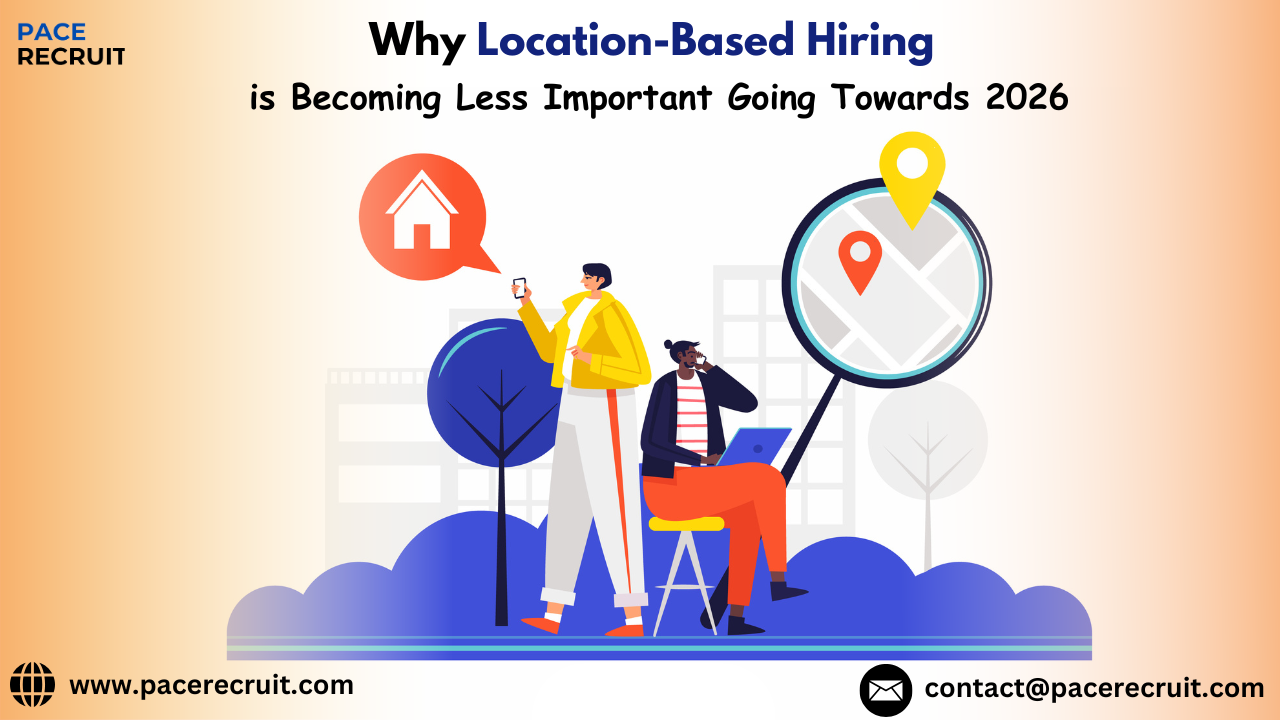
Why Location-Based Hiring is Becoming Less Important Going Towards 2026
Introduction: The Former Reliance Upon Geography for Hiring and Its Long-Term Impact on Workforce Setup
Location-Based Hiring: Many industries have used geography as their primary criteria for hire (and still do). Candidates were expected to live within commuting distance of the workplace, mainly due to the requirement for their physical presence as part of how businesses operated. For instance, offices were used as centers of collaboration, supervision, training, and performance management. When reviewing resumes, hiring managers filtered candidates based not just on qualifications, but on what city they lived in, whether they were willing to relocate, and how feasible it would be to travel from where they lived to their place of work. This way of doing business worked well prior to the use of digital tools in business and prior to the overall belief that to perform in today’s world is done face to face with others.

Recruitment Agency Authority & Trust, Building Topics
In the past, the recruitment business was basically about getting a bunch of resumes and filling the positions with candidates. However, nowadays, companies anticipate recruitment agencies to act as strategic workforce partners who deliver market intelligence, talent insights, compliance knowledge, and a complete hiring cycle to them. Therefore, authority and trust have become the most valuable currencies for recruitment success.
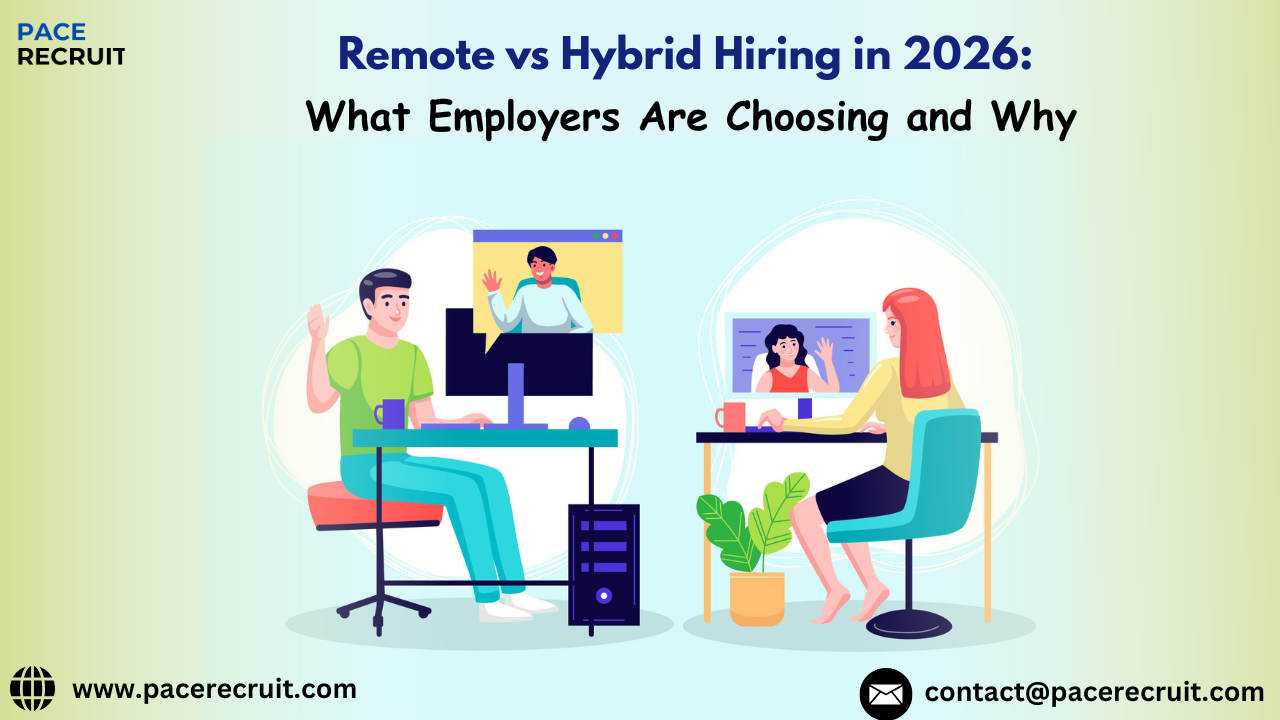
Remote vs Hybrid Hiring in 2026: What Employers Are Choosing and Why
Over the last couple of years, the hiring landscape has vastly changed, and in 2026 the debate over remote vs hybrid hiring methods has come to an incredible climax. What initially was an emergency measure during the worldwide disruptions is now a strategic, data, based decision at the workforce level. Employers are no longer contemplating if remote or hybrid work is feasible, they are determining which of the two models generates higher productivity, talent availability, retention, and business value in the long run.
How Recruitment Agencies Help Employers Reduce Time-to-Hire and Cost-per-Hire
Employers often look to recruitment agencies help with their hiring issues. In an environment in which speed and cost have become two significant metrics within the recruitment process, employers must consider ways to utilize agencies more effectively to fill open positions faster because open positions cause reduced team productivity, moral issues, and missed opportunities for companies. While many companies have seen their recruitment costs (e.g., advertising, the cost of technology, the cost of using internal HR staff) continue to rise, recruitment agencies play a key role in how organizations can reduce time-to-hire and cost-per-hire.
Hiring Challenges: What Employers Will Face in 2026 | How Recruitment Agencies Solve Them
It will be a great challenge for employers to understand and navigate the hiring market in 2026, which will be marked by more complexity, competition, and technology than ever before. Businesses in different sectors that are having a hard time finding, evaluating, and keeping the right employees are not only dealing with demands from their own people (i.e. changing expectations), but also with external changes at the societal and industry levels, such as digital transformation and global economic shifts. Therefore, organizations are no longer just hiring through traditional recruitment methods to fill the vacancies. They are, instead, shaping agile and future, oriented workforces who are capable of delivering growth and sustaining innovation.
Quality vs Speed in Hiring: How Employers Can Achieve Both
In today’s highly competitive talent acquisition market, the debate around Quality vs Speed in Hiring has become more critical than ever. It is about actually having quality talent (the talent level of the person hired). Many companies continue to grow at an unprecedented pace and are undertaking increasingly complex projects, while continuing to see niche skill demands outpacing the (limited) candidates available. Consequently, several companies now face some difficult choices: should they hire quickly to keep moving in order to stay on track or take the time needed to hire the most qualified individual for the open role?
Career Mobility in 2026: Why Job Hopping Is No Longer a Red Flag
Introduction: The End of the ‘One Career for Life’ Idea
Until now, a person’s career stability was determined by the length of their employment relationship with a single employer. People who stayed for a long time in one company were highly regarded, whereas those who changed jobs frequently were questioned during interviews. Job hopping was assumed to be the sign that the individual was lacking in commitment, loyalty, or concentration. However, the year 2026 has come and that story has been changed at its roots.
Using Artificial Intelligence Tools to Increase the Speed of Hiring
Traditional Hiring Processes
The average time to fill a position has more than tripled in the past 10 years. The pressure on businesses to fill open positions has never been greater. Talent acquisition is no longer a process to “fill a position”, but rather a race against the competition to acquire talent.